
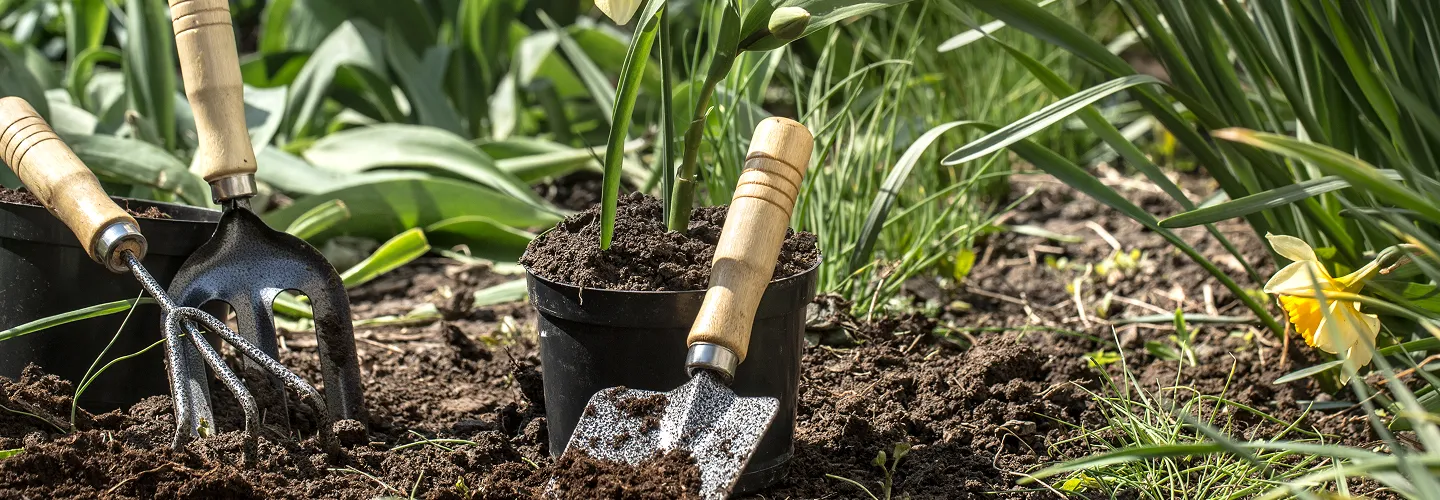
South Mountain Village Flower Planting Services
Choose our flower planting services for vibrant, expertly arranged blooms that enhance your curb appeal and thrive in the South Mountain Village climate—bringing lasting beauty to your home or business.
Get a Free QuoteOur South Mountain Village Landscaping & Yard Care Services
When to Schedule Flower Planting in South Mountain Village, Arizona – Seasonal Guide
Flower planting in South Mountain Village, Arizona, is best scheduled with careful attention to the area’s unique climate and landscape. The optimal planting windows are typically in early spring (late February to March) and again in early fall (late September to October), when temperatures are milder and the risk of frost is minimal. South Mountain Village’s proximity to the South Mountain Park and Preserve means microclimates can vary, especially in neighborhoods like Baseline Corridor or near the Western Canal, where shade from mature trees and elevation changes can influence soil moisture and temperature.
Local environmental factors such as the region’s alkaline, well-draining soils, and the potential for summer droughts play a significant role in determining the best planting times. Humidity levels remain low for much of the year, so choosing periods with increased precipitation—often following the monsoon season—can help new plantings establish strong roots. It’s also important to consider municipal guidelines and neighborhood-specific restrictions, which can be found on the City of Phoenix website, to ensure compliance with local landscaping ordinances.
Local Factors to Consider for Flower Planting in South Mountain Village
- Tree density and shade coverage, especially near South Mountain Park
- Soil type and drainage, common in the Baseline Corridor
- Seasonal precipitation patterns and drought risk
- Terrain variations, including slopes and flatlands
- Municipal restrictions or HOA guidelines on planting
Benefits of Flower Planting in South Mountain Village
Enhanced Curb Appeal
Increased Property Value
Seasonal Color Variety
Expert Plant Selection
Low-Maintenance Solutions
Eco-Friendly Landscaping

South Mountain Village Flower Planting Types

Annual Flower Beds
Seasonal color displays using vibrant annuals for maximum visual impact.
-
Perennial Gardens
Long-lasting blooms that return year after year for sustainable beauty.
-
Native Plant Landscapes
Utilizing local flora for low-maintenance and eco-friendly gardens.
-
Pollinator-Friendly Plantings
Flower selections designed to attract bees, butterflies, and hummingbirds.
-
Shade Garden Plantings
Flower varieties that thrive in low-light or shaded areas.
-
Drought-Tolerant Flower Beds
Water-wise plantings ideal for the South Mountain Village climate.
-
Container Flower Arrangements
Versatile and movable flower displays for patios and entryways.
Our Flower Planting Process
Site Evaluation
Soil Preparation
Plant Selection
Careful Planting
Watering and Mulching
Why Choose South Mountain Village Landscape Services
-
South Mountain Village Homeowners Trust Us
-
Expert Lawn Maintenance
-
Reliable Scheduling
-
Competitive Pricing
-
Professional Team
-
Satisfaction Guarantee
-
Personalized Service
Coordinating Flower Planting Projects with South Mountain Village Municipal Programs
South Mountain Village is one of Phoenix's designated urban villages, and flower planting projects on residential or commercial properties may intersect with city planning guidelines, landscape standards, and water conservation programs. The South Mountain Village Planning Committee reviews neighborhood development patterns and land-use proposals that can affect how landscaping—including ornamental flower beds—is integrated into new or renovated properties. Residents and property managers planning flower installations along street frontages, in common areas, or near public rights-of-way should verify whether the project scope triggers any site-plan review through the city's development services process.
- Flower planting in rights-of-way or adjacent to public sidewalks may require coordination with the city's public works operations
- Properties within planned developments or HOA-governed communities should confirm landscape palette restrictions before selecting species
- Green waste generated during bed preparation or seasonal replanting must follow Phoenix bulk collection and disposal guidelines
Phoenix South Mountain Village Planning
Official Website: Phoenix South Mountain Village Planning
Phoenix Parks & Recreation Department
Official Website: Phoenix Parks & Recreation Department
The Arizona Department of Water Resources also provides landscaping guidance that supports water-efficient planting decisions within the Phoenix Active Management Area.
How South Mountain Village's Low-Desert Heat and Soils Shape Flower Planting
South Mountain Village sits squarely in the Phoenix metro low desert, classified within USDA Hardiness Zone 10a according to the USDA Plant Hardiness Zone Map. This designation means minimum winter temperatures rarely drop below 30°F, but summer surface temperatures routinely exceed 110°F, creating extreme stress on flowering plants that are not desert-adapted. The area's soils are predominantly alkaline, often featuring caliche layers, compacted subdivision fill, or decomposed granite profiles that resist root penetration and limit water infiltration. Data from the USDA Web Soil Survey confirms that many parcels in the South Mountain corridor contain calcareous sandy loam or rocky desert soils with pH levels commonly above 8.0.
- Caliche obstruction: Hardpan layers may require mechanical breaking or raised-bed construction to establish adequate root zones for flowering annuals and perennials
- Alkaline soil chemistry: Iron chlorosis is common in non-adapted species; soil amendment with sulfur or chelated iron may be necessary for acid-loving flowers
- Reflected heat: Block walls, concrete driveways, and decomposed granite mulch radiate stored heat, intensifying exposure on south- and west-facing beds
- Monsoon runoff: Intense summer storms can wash out newly planted beds, erode amended soil, and deposit sediment into adjacent drainage channels
Navigating South Mountain Village's Regulatory Framework for Flower Planting Compliance
Flower planting itself does not typically require a building permit in Phoenix, but several regulatory layers may apply depending on project scope and location. Properties adjacent to washes, flood-control channels, or retention basins must ensure that planting activities do not alter drainage patterns or introduce soil or organic debris into stormwater conveyance systems. The City of Phoenix operates under Phase II MS4 stormwater requirements administered by the Arizona Department of Environmental Quality, which means sediment, fertilizer, and soil amendments must be managed to prevent discharge into the municipal storm sewer system.
- Any chemical soil amendments, pesticides, or herbicides applied during bed preparation must comply with Arizona Department of Agriculture licensing requirements for commercial applicators
- Planting projects that involve grading, berming, or altering site drainage may trigger review through the city's engineering or development services process
- Introduction of species listed on the Arizona noxious weed list is prohibited statewide under Arizona Revised Statutes Title 3
Phoenix Office of Environmental Programs
Official Website: Phoenix Office of Environmental Programs
Property owners should verify current landscape and zoning standards with the Phoenix Planning & Development Department when flower planting is part of a larger site improvement.
Timing Flower Planting Around South Mountain Village's Monsoon and Frost Windows
Professional flower planting in the low desert follows a dual-season calendar that differs substantially from temperate-climate norms. The primary cool-season planting window extends from mid-October through early March, when species such as petunias, snapdragons, pansies, stock, and calendula thrive under moderate daytime temperatures and minimal frost risk. The warm-season window opens in late March and extends into May, accommodating heat-tolerant selections such as vinca, lantana, desert marigold, angelita daisy, and pentas before extreme summer temperatures set in.
- Soil preparation: Amend planting beds with compost or organic matter to improve water retention in fast-draining desert soils; test pH and adjust if planting non-native species sensitive to alkalinity
- Emitter coverage: Each planting zone should have dedicated drip emitters sized to the root zone; overhead spray irrigation wastes water and promotes foliar disease in arid conditions
- Mulch application: Organic mulch at a depth of roughly two to three inches moderates soil temperature and reduces evaporation, but must be kept clear of plant crowns to prevent rot
- Monsoon protection: Beds installed before July should include berming or edging to prevent washout during high-intensity summer storms; avoid placing loose amended soil where it can migrate into storm drains or washes
- Frost monitoring: Although uncommon, overnight lows near freezing can occur from December through February; frost cloth should be available for tender warm-season holdovers
What Neighborhoods Do We Serve Throughout South Mountain Village, AZ?
- Laveen: Properties in this rapidly developing area often feature newer subdivision fill soils that benefit from thorough amendment before flower bed installation, and many parcels include retention basin adjacency requiring runoff-conscious planting
- Baseline Corridor: Established residential lots along the Baseline Road corridor frequently have mature shade trees that create filtered-light microclimates suitable for shade-tolerant flowering species
- South Mountain Foothills: Lots near the South Mountain Park and Preserve boundary present rocky, sloped terrain where terraced or raised flower beds and erosion-resistant species selection are essential
- Estrella Village Area: Western portions of South Mountain Village near the Estrella community feature larger lot sizes with open sun exposure and significant reflected heat from block walls and hardscape
- Desert Foothills South: Newer developments in this area often have HOA-governed landscape palettes that restrict flower species to approved desert-adapted or low-water-use selections